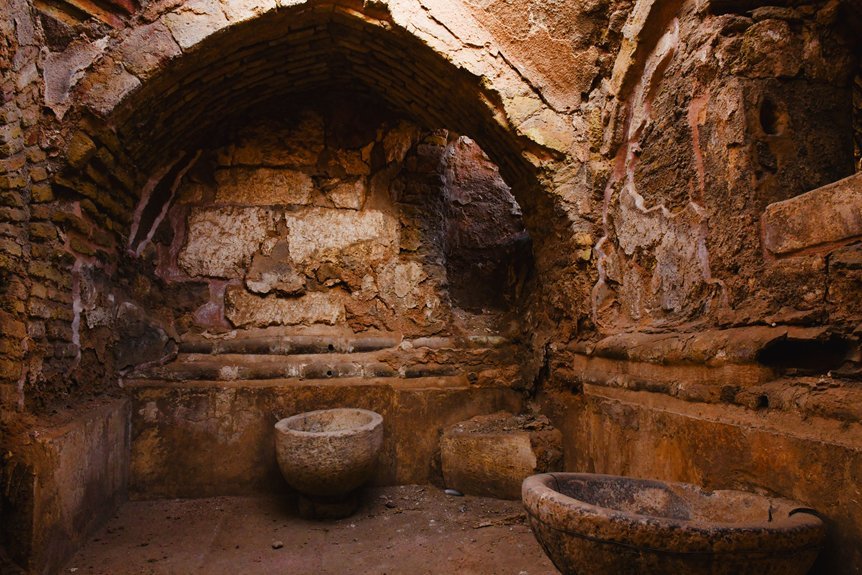
Babaijabeu functions as a living boundary between memory and daily life, shaping both identity and community. It anchors belonging through shared rites while absorbing new influences. Its local networks of care expand resilience, yet boundary negotiation remains part of routine interaction. Tradition and modernization collide and cooperate, producing meaning that resonates with locals and visitors alike. The balance invites scrutiny of what it preserves and what it changes, leaving questions that compel further consideration.
What Babaijabeu Represents Today: Identity, Community, and Continuity
What Babaijabeu represents today—identity, community, and continuity—forms a lens through which its social meaning is read and debated.
The discussion traces identity evolution within shared space, revealing how collective memory informs present practice. Observers note cultural adaptation as traditions respond to external influences, sustaining cohesion while inviting critique.
This context clarifies power, belonging, and negotiated boundaries across generations.
How Tradition Meets Innovation in Daily Life
Tradition and innovation intersect in daily practice, revealing how established forms adapt to contemporary rhythms without losing their core meanings. In everyday routines, inherited rites mingle with new technologies and social norms, producing hybrid forms with purpose beyond nostalgia.
This lens clarifies daily life implications, showing that tradition remains relevant by guiding choices, while innovation expands interpretation, not erasing heritage. tradition innovation, daily life implications.
Babaijabeu as a Catalyst for Belonging and Social Resilience
Babaijabeu functions as a social scaffold that strengthens communal bonds and resilience by embedding shared rituals within larger networks of care, reciprocity, and identity. In this framing, babaijabeu symbolism articulates belonging beyond individual ties, shaping norms and mutual aid.
The analysis reveals how communal rituals cultivate community resilience, enabling adaptive responses to disruption while preserving collective memory and freedom in everyday life.
Navigating Change: Lessons for Locals and Visitors Alike
Change presents both challenge and opportunity for residents and visitors, as local practices and external expectations intersect and reshape daily routines.
In this assessment, the dynamics of change reveal how communities negotiate boundaries, preserve meaning, and pursue inclusive adaptation.
The analysis highlights change adaptation as a structured process and frames cultural sustainability as a shared objective, guiding informed choices for both locals and travelers.
Frequently Asked Questions
How Did Babaijabeu Originate and Why Does It Matter Today?
The origin stories of Babaijabeu trace ritual symbolism to communal memory, evolving through migration and reinterpretation; today they matter as a framework for identity, autonomy, and dialogue. Analysts interpret how these origins empower freedom-minded communities within broader cultural contexts.
Who Preserves Babaijabeu’s Traditions Within Modern Rituals?
Answer: It is communities and elders who preserve Babaijabeu’s traditions within modern rituals. They rely on preservation rituals and intergenerational transmission, allowing adaptive interpretations while maintaining core meanings for an audience seeking freedom of cultural expression.
What Regional Variations Exist in Babaijabeu Practices?
Regional variations in Babaijabeu practices include distinct regional ceremonies and culinary traditions, reflecting historical routes and local ecosystems; analysts interpret these patterns as adaptive rituals, balancing communal identity with contemporary tastes while preserving core symbolic meanings across diverse communities.
How Is Babaijabeu Influencing Local Youth Cultural Identity?
Babaijabeu buffs bold youth identity, shaping cultural mentorship through shared stories and symbolic rituals. By bridging traditions and modern voices, observers note nuanced identity shifts, contextual interpretations, and freer self-expression within communities navigating history, authority, and creative collaboration.
In What Ways Can Visitors Respectfully Participate in Babaijabeu?
Visitors may engage through participatory etiquette and respectful engagement, observing guidelines, seeking permission, and avoiding disruption. The approach is analytical and contextual, interpreting local norms while preserving autonomy, enabling freedom-loving participation without compromising cultural integrity or communal boundaries.
Conclusion
Babaijabeu stands at the crossroads of memory and modern life, translating traditional rhythms into everyday practice while inviting scrutiny of evolving identities. Its value rests not merely in ritual preservation but in its capacity to weave belonging into inclusive networks, enabling mutual aid and adaptive resilience. As locals and visitors negotiate boundary and openness, the site demonstrates that cultural sustainability requires both reverence and reinvention—proof that the past can inform the present and still keep doors ajar for new meanings. It’s a tightrope walk, but progress thrives.